Crafting Perfect Bespoke Fresh Produce Boxes: A Progressive Walkthrough
Designing custom produce boxes calls for a strategic approach. Specialists must consider environmental responsibility, practicality, and visual appeal. Picking the right components is vital for preserving freshness and promoting environmentally conscious practices. Additionally, size and configuration can greatly influence ease of use and shipping efficiency. Compelling graphics enhance company recognition, while thorough testing guarantees durability. Grasping these elements will reveal key understanding into producing exceptional container solutions that appeal with customers. What follows is fundamental to achieving those targets.
Picking the Ideal Resources for Custom Produce Boxes
When choosing materials for custom produce boxes, it is vital to assess both performance and environmental responsibility. The choice of material greatly impacts the box's durability, weight, and capacity to protect the contents. Common materials include corrugated cardboard, which offers strength and is reusable, making it a popular choice for environmentally aware businesses. Compostable options, such as molded pulp or plant-based plastics, also comply with environmentally friendly practices while providing adequate protection for delicate produce.
Additionally, water resistance is important for preserving product freshness, leading some suppliers to examine specially processed substances or targeted protective finishes. The visual character of the box must not be ignored, as branding and visual presentation can impact consumer perception. Ultimately, the proper selection should maintain equilibrium between preserving the goods, satisfying consumer preferences, and adhering to environmental standards, ensuring both functionality and sustainability are prioritized to the creation phase.
How to Find the Right Size and Shape for Practical Application?
When choosing the size and shape of custom produce boxes, careful assessment of produce dimensions is essential for effective storage. Additionally, attention to movement and transportation can impact the box design, guaranteeing ease of movement. Maximizing shelf space usage further enhances functionality, allowing for effective presentation and organization.
Evaluate Produce Dimensions Carefully
Assessing the right size and shape for produce containers is essential for functionality and efficiency. Thorough measurement of produce dimensions is critical, as it validates that items fit snugly without surplus room that could lead to damage during storage or transport. Custom boxes need to support assorted configurations, from delicate berries to heavy vegetables, while sustaining structural integrity. Furthermore, the height and width of the boxes should facilitate stacking and organization, optimizing space in storage facilities. A well-designed box not only shields the produce but also enhances consumer attraction for consumers. To sum up, careful consideration of dimensions contributes to reducing waste and advancing overall user experience in the product supply chain.
Assess Handling and Transport Requirements
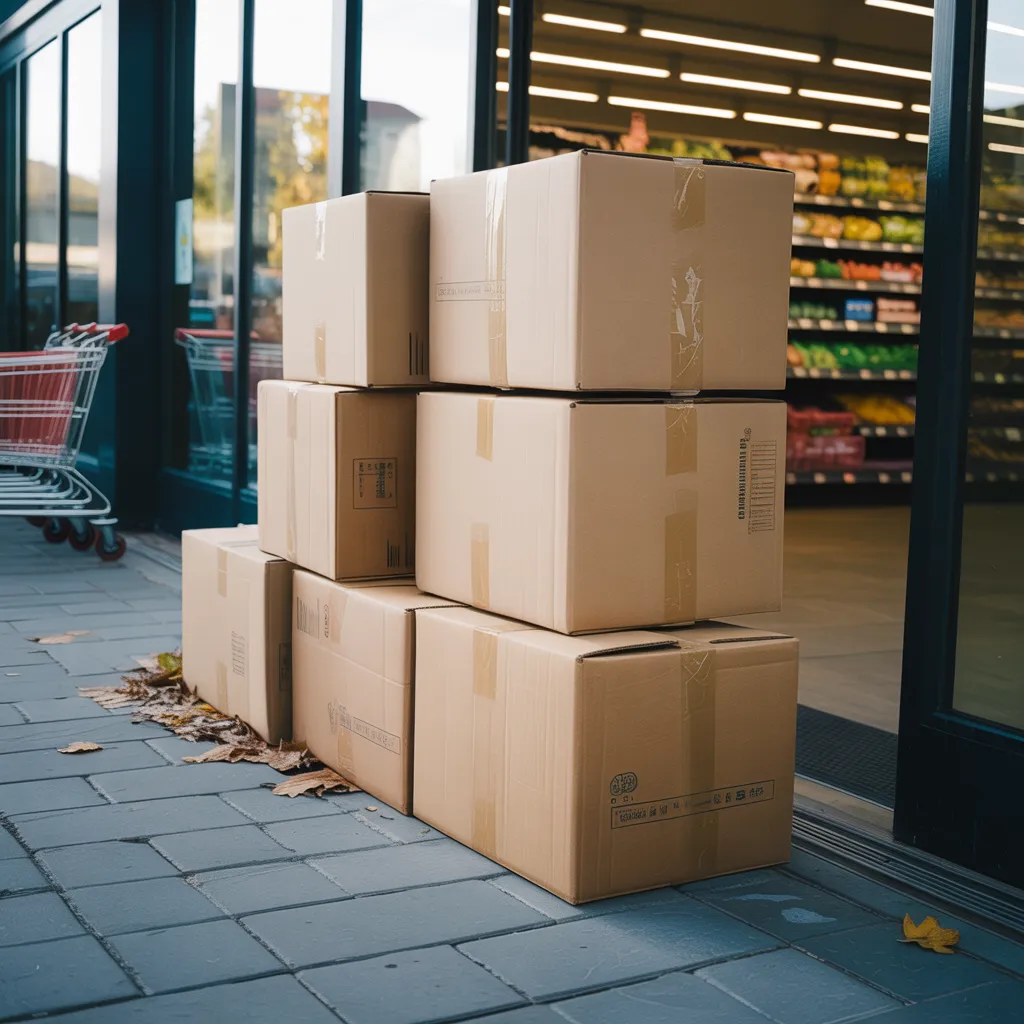
Handling and shipping considerations play a substantial role in establishing the appropriate size and shape of custom produce boxes. The dimensions must accommodate the fresh items without unnecessary space, which could lead to movement and harm during transit. Smaller, compact boxes enable simpler handling, while bigger containers may be required for larger items. Additionally, ergonomic design is essential; handles or openings should be strategically placed to enable easy lifting and carrying. The shape of the box also affects stacking and stability, ensuring that products remain protected. Ultimately, careful consideration of these elements improves the efficiency of shipping, minimizes product loss, and supports the overall integrity of the produce from farm to consumer.
Optimize Storage Space Usage
Efficient shelving efficiency relies upon selecting the right dimensions and form of tailored produce boxes. Product planners should take into account the measurements of the storage racks as well as the varieties of fruits and vegetables being kept. Rectangular boxes often maximize spatial utilization, enabling for simpler arrangement and organization. Conversely, unique shapes can improve aesthetic attractiveness but may result in unused areas if not thoughtfully designed.
It's vital to review the inventory turnover rate; fast-selling items might leverage compact, readily accessible boxes. Moreover, applying adaptable or modular frameworks can facilitate various dimensions of merchandise while refining display organization. By stressing practical design with visual appeal, organizations can establish a functional and attractive display that strengthens both accessibility and visibility of goods.
How to Build Artwork That Get Attention?
Striking graphics can convert a simple custom produce box into a artistic creation that grabs focus. To accomplish this, artists should start by choosing a color scheme that demonstrates the crispness and vibrancy of the produce. Bold, eye-catching colors can evoke emotions of freshness and health, pushing consumers to take a closer look.
Strong typefaces remains crucial; clear and legible fonts can adeptly convey essential information while enhancing design value. Furthermore, applying excellent images of the products can create an immediate connection, showcasing the product's quality and engaging potential buyers.
In addition, incorporating unique patterns or illustrations can help differentiate the brand in a saturated market. Consistency in visual aspects, such as logos and taglines, reinforces brand identity. Ultimately, a mixture of artistic vision and straightforwardness in graphic design can greatly elevate the influence of custom produce boxes, helping them become distinctive on shelves.
Sustainable Practices for Custom Produce Box Containers
An increasing quantity of companies are adopting environmentally sustainable methods for custom produce box packaging, acknowledging its importance in today's eco-aware market. These approaches often include the use of decomposable materials, such as recycled paper and plant-based plastics, which minimize environmental impact. Companies are also focusing on sustainable sourcing, ensuring that materials are obtained from responsibly managed forests or suppliers who prioritize environmental stewardship.
Additionally, many brands are choosing minimalistic layouts that reduce waste while still effectively showcasing their products. This approach not only attracts eco-conscious consumers but also aids in cutting down production costs. Moreover, businesses are progressively implementing efficient manufacturing processes that restrict energy consumption and waste generation. By incorporating these sustainable practices, companies not only enhance their brand image but also contribute positively to the planet, matching their operations with a sustainable future.
Inspect Your Custom Produce Box Design
Assessing the structure of custom produce boxes is a important step in verifying they fulfill both aesthetic and functional specifications. This method generally involves reviewing aspects like resilience, size, and ease of use. First, test versions need to be created to test the container's structural integrity, confirming it is able to endure delivery and warehousing without compromising the items.
Following this, user testing sessions can be executed to evaluate how smoothly the boxes can be unfastened, closed, and layered. Comments from target consumers can be invaluable in this phase, sharing understanding of the box's usefulness.
Moreover, the visual attractiveness of the design should be tested through focus group discussions or customer surveys, gauging consumer reactions to branding elements, hues, and overall presentation.
Ultimately, thorough testing allows designers to refine the box, ensuring it not only attracts customers but also effectively protects and presents the produce within, striking the right equilibrium between form and function.
Successfully Publicize Your Custom Produce Boxes
Successful promotion of custom produce boxes demands a strategic approach that emphasizes their distinctive advantages and value. Businesses should focus on identifying their intended customers, whether they are local farms, grocery stores, or individual consumers. Leveraging social media platforms can boost brand awareness, showcasing the boxes' appearance and functionality through engaging visuals and storytelling.
Additionally, establishing partnerships with neighborhood advocates and farming professionals can strengthen credibility and enlarge reach. Delivering incentives or cost savings during seasonal peaks can capture initial consumers and support repeat business.
Furthermore, promoting sustainability and eco-friendliness in marketing materials can appeal to environmentally conscious consumers. Communicating in-depth information about the materials used and the benefits of custom packaging can further set apart the product in a saturated marketplace.
In the end, a thorough marketing strategy that combines online and community-based efforts will successfully advance custom produce boxes, attracting a diverse clientele and driving sales.
Common Questions Posed Often
What Are the Expenses Associated With Custom Produce Box Creation?
Charges part of custom produce box design feature materials, print services, labor, and delivery costs. Moreover, design expertise and batch minimums can impact total expenses, causing variable pricing based on individual requirements and manufacturing size.
How long Does It Take to Produce Custom Boxes?
The production of custom boxes typically requires anywhere from two to six weeks. Factors influencing this timeline include design complexity, availability of materials, and production capacity, all of which may impact delivery schedules and turnaround periods.
May I Submit an Request for a Small Batch of Custom Produce Boxes?
Yes, small volumes of custom produce boxes can usually be ordered. Many suppliers deliver minimum order quantities, allowing businesses or individuals to get customized packaging solutions without needing to obligate to substantial amounts initially.
What Frequent Mistakes Should You Avoid When Designing Bespoke Boxes?
Common pitfalls in custom box design include failing to address functionality, disregarding brand consistency, downplaying material quality, overlooking target audience preferences, and overlooking environmental impact. Each aspect is critical for quality packaging and customer satisfaction.
How Do I Ensure That My Boxes Meet Food Safety Standards?
To review now guarantee boxes remain safe for food consumption, you should select components approved for food contact, prevent harmful inks and adhesives, preserve cleanliness during production, and regularly test for compliance with health regulations and safety standards.